The Ultimate Guide To Pumpkin Companion Plants
The Ultimate Guide to Pumpkin Companion Plants
Pumpkins are a popular garden crop, but they can be susceptible to pests and diseases. Companion planting is a great way to help protect your pumpkins from these problems and improve their overall health.
In this guide, we will discuss the best companion plants for pumpkins, as well as some plants that you should avoid planting near them. We will also provide tips on how to properly space your plants and how to care for them throughout the growing season.
What is Companion Planting?
Companion planting is a gardening technique that involves planting certain plants together in order to benefit each other. Some plants can help to repel pests, while others can improve the soil quality or attract pollinators.
When choosing companion plants for pumpkins, it is important to consider the needs of both plants. Pumpkins need full sun and well-drained soil. They also benefit from being planted near plants that can help to attract pollinators, such as marigolds and nasturtiums.
What are the Best Companion Plants for Pumpkins?
Some of the best companion plants for pumpkins include:
- Corn: Corn is a classic companion plant for pumpkins. The two plants complement each other well, as corn provides shade and support for the pumpkin vines, while the pumpkins help to improve the soil quality.
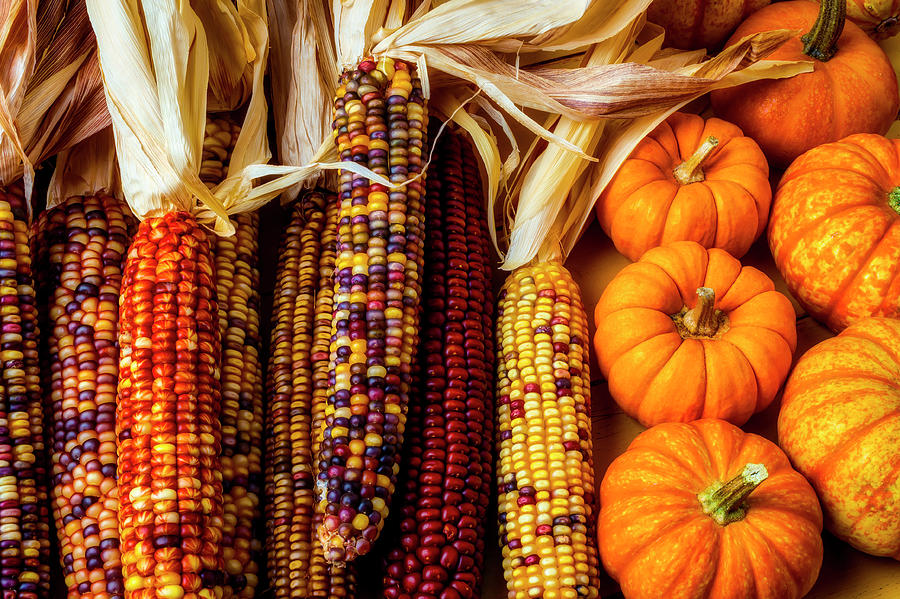
- Beans: Beans are another great companion plant for pumpkins. They help to fix nitrogen in the soil, which is essential for pumpkin growth.

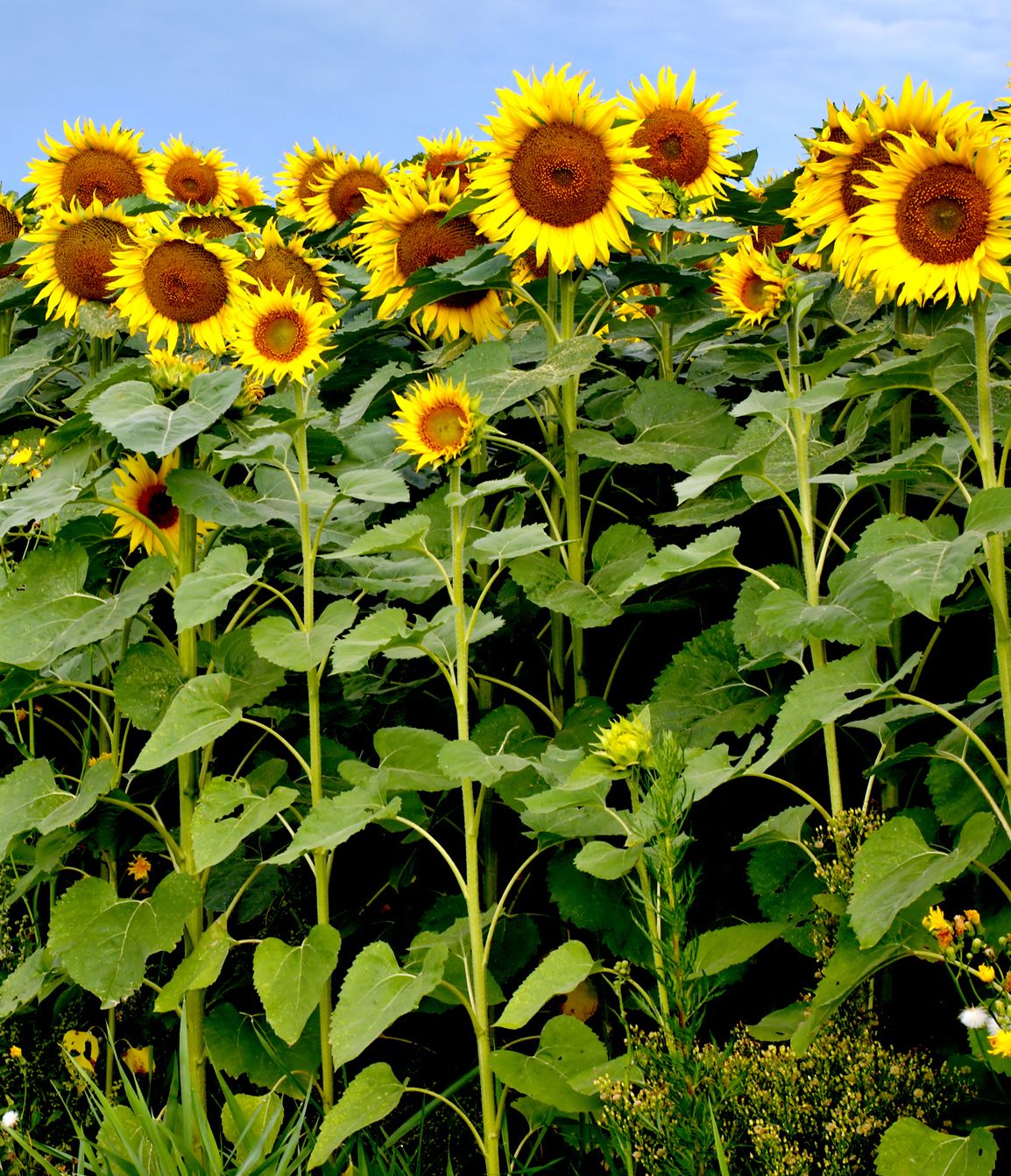
- Sunflowers: Sunflowers are tall and attract pollinators, which are essential for pumpkin pollination. They can also help to deter pests.

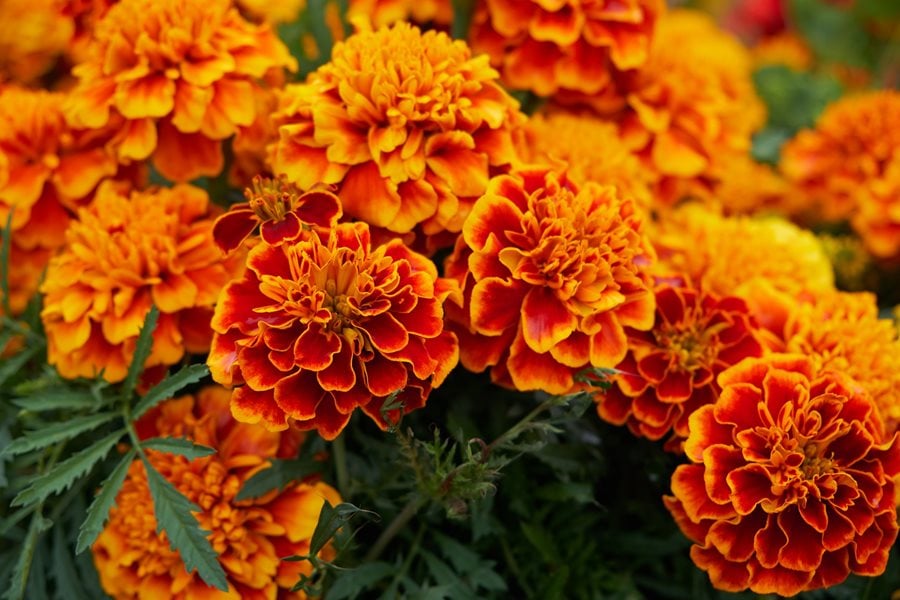
- Marigolds: Marigolds are known for their insect-repelling properties. They can help to keep pests away from your pumpkins, such as squash bugs, cucumber beetles, and aphids.

- Nasturtiums: Nasturtiums are another insect-repelling plant. They can also help to improve the soil quality.

- Borage: Borage is a flowering herb that attracts pollinators. It is also said to improve the flavor of pumpkins.

- Chives: Chives are another flowering herb that attracts pollinators. They can also help to repel pests, such as aphids and mosquitoes.

- Lavender: Lavender is a fragrant herb that can help to deter pests. It can also help to attract pollinators.

What Plants Should You Avoid Planting Near Pumpkins?
Some plants that you should avoid planting near pumpkins include:
- Cucumbers: Cucumbers and pumpkins are both members of the cucurbit family, and they can cross-pollinate. This can lead to poor-quality pumpkins.

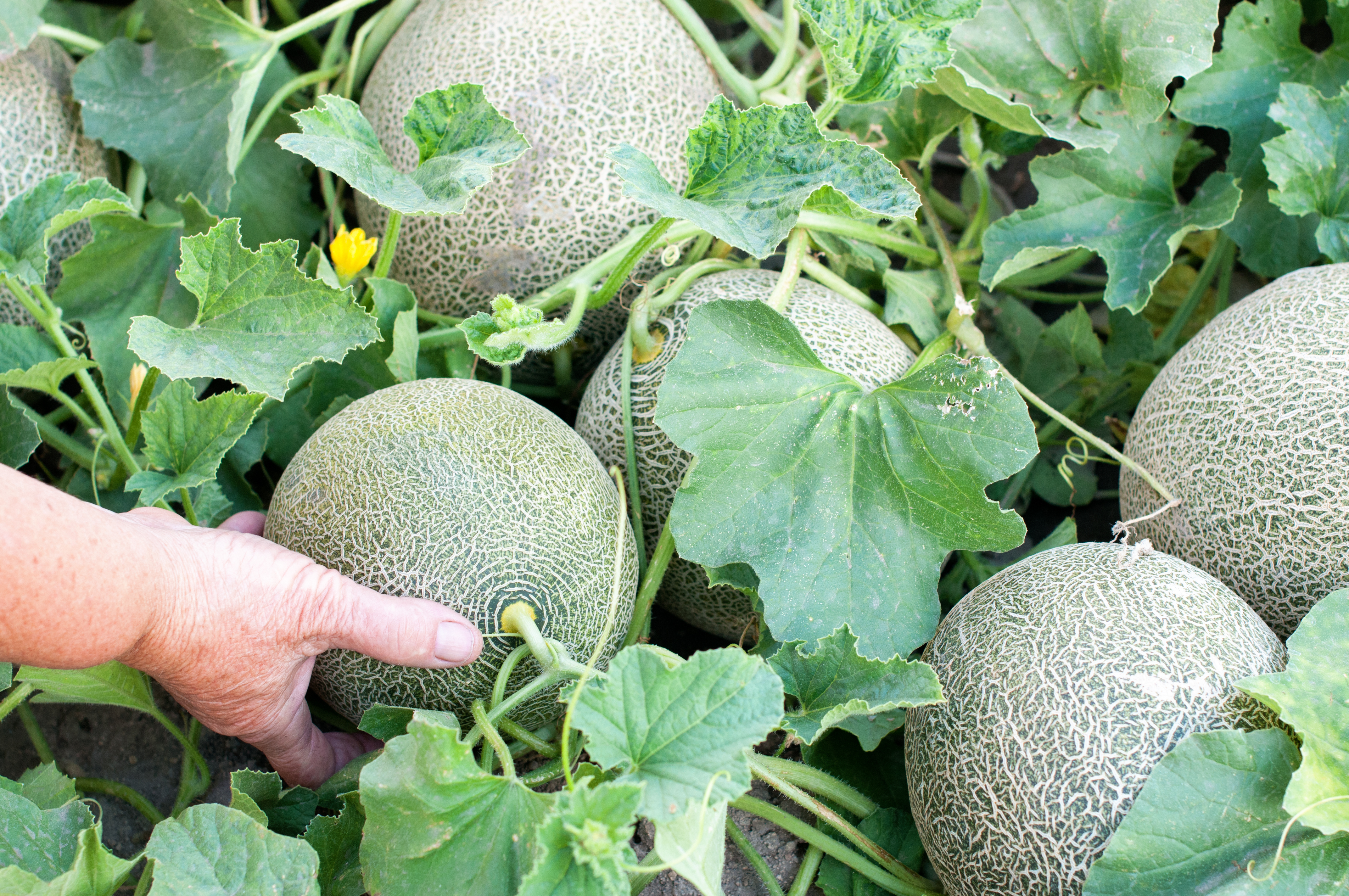
- Melon: Melons are also members of the cucurbit family, and they should not be planted near pumpkins.

- Potatoes: Potatoes can attract the same pests as pumpkins, such as squash bugs and cucumber beetles.

How to Space Your Plants
When spacing your plants, it is important to consider the mature size of both plants. Pumpkins can grow to be quite large, so you will need to give them plenty of space. As a general rule, you should space pumpkin plants at least 3 feet apart.
How to Care for Your Pumpkin Plants
Pumpkin plants need full sun and well-drained soil. They also benefit from regular watering, especially during the hot summer months. You should also fertilize your pumpkin plants every few weeks with a balanced fertilizer.
Conclusion
By following these tips, you can help to ensure that your pumpkin plants are healthy and productive. Companion planting is a great way to improve the health of your plants and protect them from pests and diseases. By planting the right companion plants near your pumpkins, you can help them to thrive.
Pumpkin companion planting is a great way to boost your pumpkin harvest and improve the health of your garden. By planting certain companion plants near your pumpkins, you can attract beneficial insects, deter pests, and improve soil quality.
Some of the best companion plants for pumpkins include:
- Corn: Corn is a nitrogen-fixing plant, which means it can help to improve the nitrogen content of the soil. This is beneficial for pumpkins, which are heavy feeders. Gardenia Inspiration
- Pole beans: Pole beans also help to improve soil nitrogen levels, and they can also provide shade for your pumpkins.
- Marigolds: Marigolds are known for their insect-repelling properties. They can help to keep pests away from your pumpkins, such as squash bugs, cucumber beetles, and aphids.
- Nasturtiums: Nasturtiums are another insect-repelling plant. They can also help to improve soil drainage, which is important for pumpkins.
- Sunflowers: Sunflowers can help to attract pollinators, such as bees and butterflies. These pollinators are essential for pollinating your pumpkins, so they can help to increase your harvest.
If you're looking for more information about pumpkin companion planting, I recommend visiting Gardenia Inspiration. This website has a wealth of information on the topic, including a list of recommended companion plants, tips on how to plant them, and information on the benefits of companion planting.
FAQ of pumpkin companion plants
What are companion plants?
Companion plants are plants that are grown together because they benefit each other in some way. Some companion plants attract beneficial insects, while others help to deter pests. Some companion plants improve the soil quality, while others help to shade or support each other.
What are some good companion plants for pumpkins?
Some good companion plants for pumpkins include:
- Beans: Beans fix nitrogen in the soil, which can help to improve the growth of pumpkins.

- Cucumbers: Cucumbers and pumpkins can help to shade each other, which can help to prevent powdery mildew.
- Sunflowers: Sunflowers attract beneficial insects, which can help to control pests that can harm pumpkins.
- Marigolds: Marigolds help to deter pests, such as squash bugs and cucumber beetles, that can harm pumpkins.
- Nasturtiums: Nasturtiums attract beneficial insects, such as ladybugs and lacewings, that can help to control pests that can harm pumpkins.

What are some bad companion plants for pumpkins?
Some bad companion plants for pumpkins include:
- Potatoes: Potatoes and pumpkins can attract the same pests, so it is best to avoid planting them together.

- Melons: Melons and pumpkins can compete for water and nutrients, so it is best to avoid planting them together.
- Eggplants: Eggplants can attract the same pests as pumpkins, so it is best to avoid planting them together.
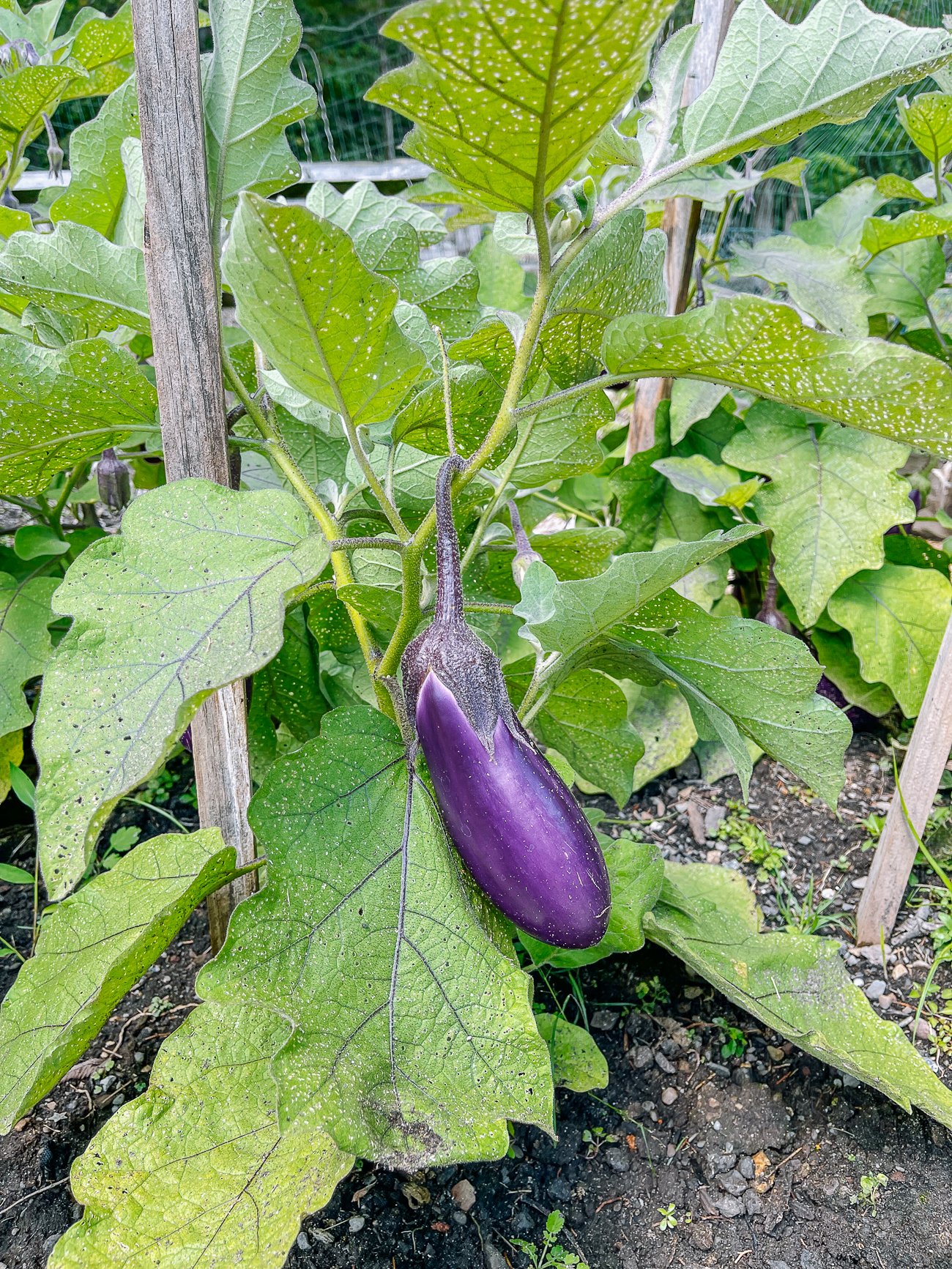
- Cabbages: Cabbages can attract pests that can also harm pumpkins, so it is best to avoid planting them together.
- Peas: Peas can fix nitrogen in the soil, but they do so at a different time of year than pumpkins. Planting them together can lead to nitrogen deficiency in the pumpkins.
How far apart should pumpkins be planted?
Pumpkins should be planted about 3 feet apart. This will give them enough space to grow and spread their vines.
How much sun do pumpkins need?
Pumpkins need full sun, at least 6 hours of sunlight per day. If they do not get enough sun, they will not grow as well or produce as many pumpkins.
Image of pumpkin companion plants
Here are 5 different images of pumpkin companion plants:
- Corn: Corn provides support for vining pumpkins, and its leaves help to shade the soil, which can help to suppress weeds.
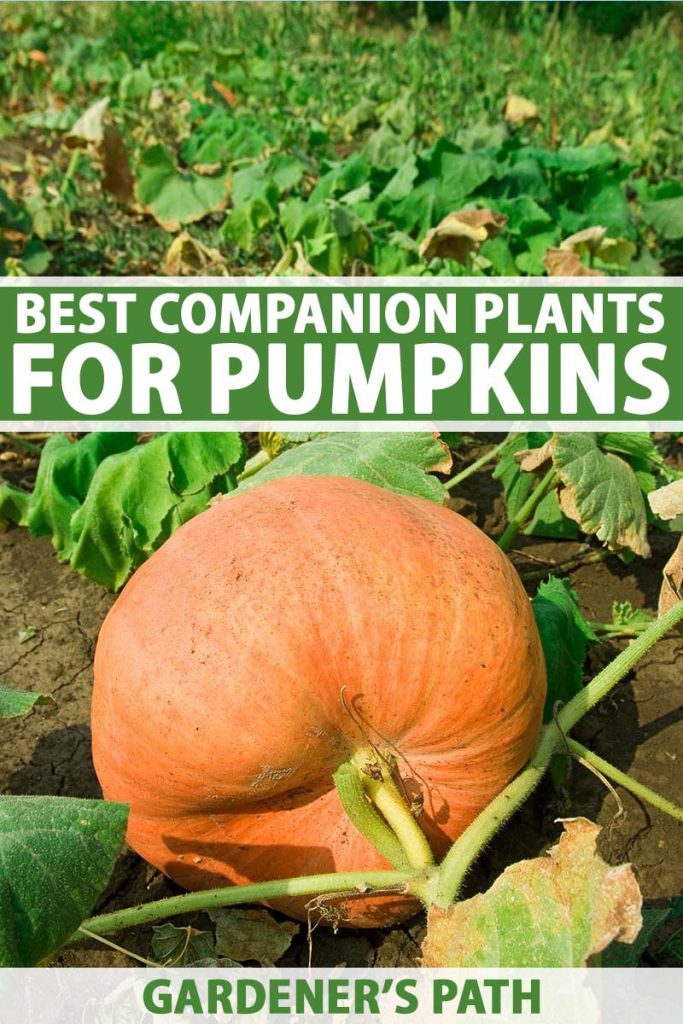
- Peas: Peas fix nitrogen in the soil, which can benefit pumpkins. They also help to attract pollinators, which are essential for pumpkins to set fruit.
- Melon: Melons and pumpkins are both members of the cucurbit family, so they share similar growing requirements. They also help to attract pollinators.

- Radish: Radish is a fast-growing crop that can help to break up the soil and improve drainage. It also helps to repel pests, such as cucumber beetles.
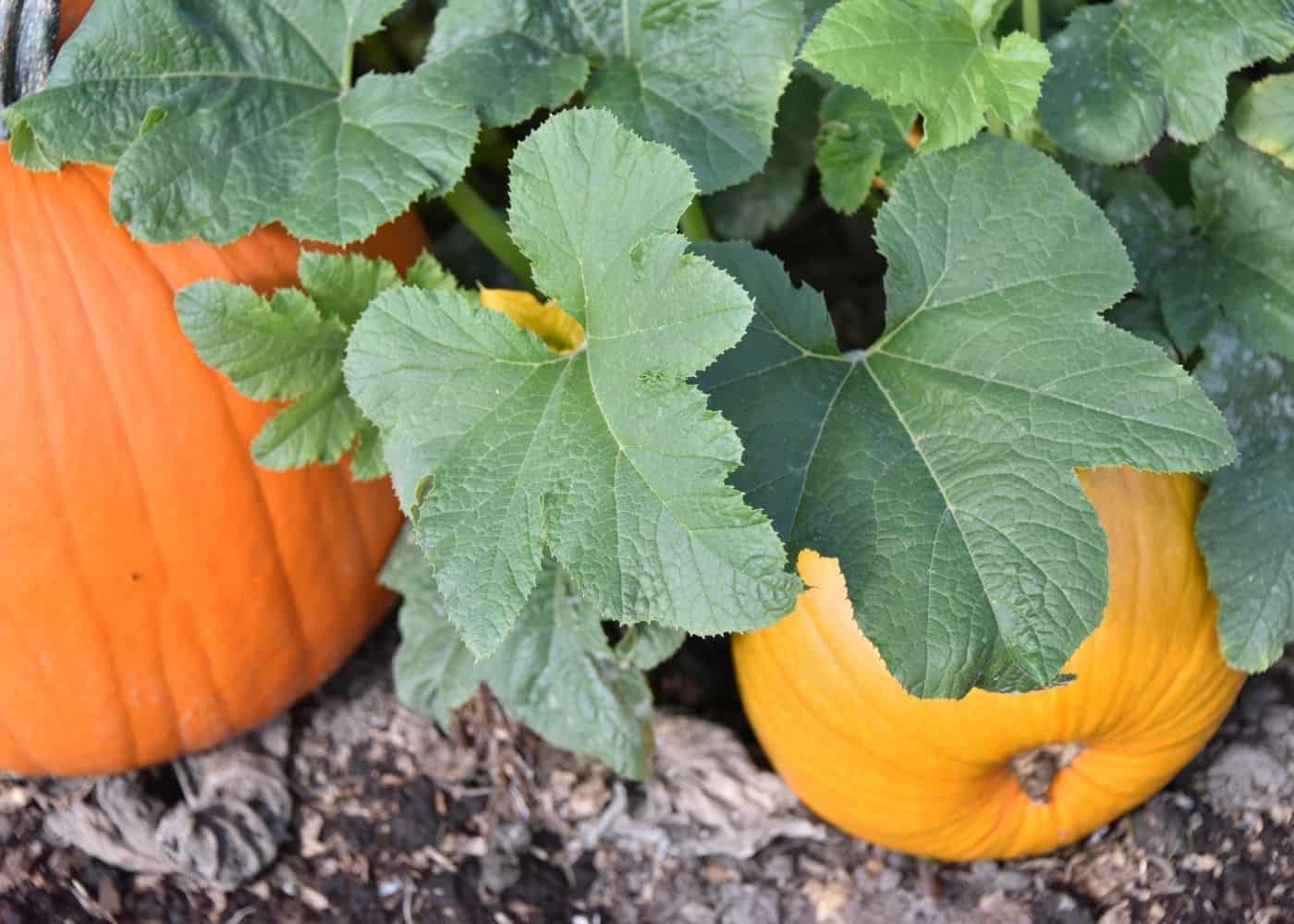
- Lettuce: Lettuce is a low-growing crop that can help to shade the soil and suppress weeds. It also helps to attract pollinators.

Post a Comment for "The Ultimate Guide To Pumpkin Companion Plants"