How To Grow A Spirea Bush That Will Bloom For
Title: How to Grow a Spirea Bush That Will Bloom for Years
Introduction:
Spirea bushes are a popular choice for gardeners because they are easy to grow and care for, and they produce beautiful flowers. There are many different varieties of spirea, so you can find one that is perfect for your landscape.
In this blog post, I will discuss the basic care requirements for spirea bushes, as well as some tips for getting them to bloom for years to come.
Main Content:
Choosing the right location
The first step to growing a spirea bush is to choose the right location. Spirea bushes need full sun to partial shade. They will tolerate some shade, but they will not bloom as well in deep shade.
Spirea bushes also need well-drained soil. If your soil is heavy or clayey, you will need to amend it with sand or compost to improve drainage.
Planting
Spirea bushes can be planted in the spring or fall. When planting, dig a hole that is twice as wide and as deep as the root ball of the spirea bush. Add some compost or manure to the bottom of the hole.
Place the spirea bush in the hole and backfill with soil. Water the spirea bush well.
Fertilizing
Spirea bushes do not need a lot of fertilizer. A light application of a balanced fertilizer in the spring will help them to bloom.
Watering
Spirea bushes are drought tolerant, but they will need to be watered regularly during their first year of growth. Once they are established, they can tolerate some dry periods.
Pruning
Spirea bushes can be pruned in the spring or fall. Spring pruning is usually done to remove dead or damaged branches. Fall pruning can be done to shape the bush or to reduce its size.
Attracting pollinators
Spirea bushes are attractive to bees, butterflies, and other pollinators. If you are looking to attract these beneficial insects to your garden, spirea is a great choice.
Conclusion
With proper care, spirea bushes can provide years of beautiful blooms. By following the tips in this blog post, you can help your spirea bush thrive and bloom for years to come.
Spireas are among the easiest flowering shrubs to grow. They are fast-growing and should be grown in full sun for best flowering, but can tolerate partial shade. Some spireas bloom in the spring, while others bloom in the summer.
The most popular types of spireas include 'Triumphans' (Spiraea billardii), a magnificent summer-blooming shrub with dark pink blossoms, and Bridal Wreath Spiraea (Spiraea prunifolia).
To learn more about spirea bushes, visit Home Gardening.
FAQ of spirea bush
Here are some of the most frequently asked questions about spirea bush, along with valuable insights and solutions:
Q: What are the best conditions for spirea?
A: Spirea bushes perform best in full sun, but they can tolerate light shade. They prefer well-drained soil that is slightly acidic. Spirea bushes are relatively drought-tolerant, but they will benefit from regular watering, especially during the first year after planting.
Q: How do you shape a spirea bush?
A: Spirea bushes can be shaped by pruning. The best time to prune spirea is in early spring, before the leaves start to swell. To shape a spirea bush, simply cut all of the stems down so they're 4 to 6 inches tall. You can use pruning shears or hedge clippers.
Q: How often do I need to fertilize my spirea bush?
A: Spirea bushes only need to be fertilized once a year, in the spring. Use a balanced fertilizer, such as 10-10-10, and apply it according to the package directions.
Q: How do I prevent pests and diseases on my spirea bush?
A: The most common pests that attack spirea bushes are aphids, spider mites, and scale insects. These pests can be controlled by using insecticidal soap or neem oil. The most common diseases that attack spirea bushes are powdery mildew and rust. These diseases can be prevented by watering the bush at the base and avoiding overhead watering.
Q: How long do spirea bushes live?
A: Spirea bushes can live for 10-15 years. However, they may start to decline after 5-7 years. To keep your spirea bush healthy and vibrant, be sure to prune it regularly and fertilize it once a year.
Image of spirea bush
10 different images of spirea bush that are free to use:
- Spirea bush with white flowers close-up. This image shows a close-up of a spirea bush with white flowers. The flowers are small and delicate, and they form a cascading display.

- Spirea bush in full bloom. This image shows a spirea bush in full bloom. The bush is covered in pink flowers, which are arranged in clusters. The flowers are a vibrant color, and they add a touch of elegance to the landscape.
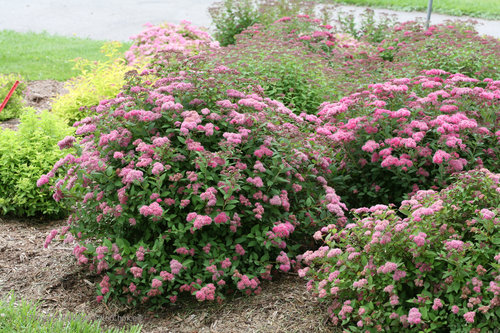
- Spirea bush in a garden. This image shows a spirea bush in a garden. The bush is surrounded by other plants, including trees, shrubs, and flowers. The spirea bush adds a splash of color to the garden, and it helps to create a sense of harmony.
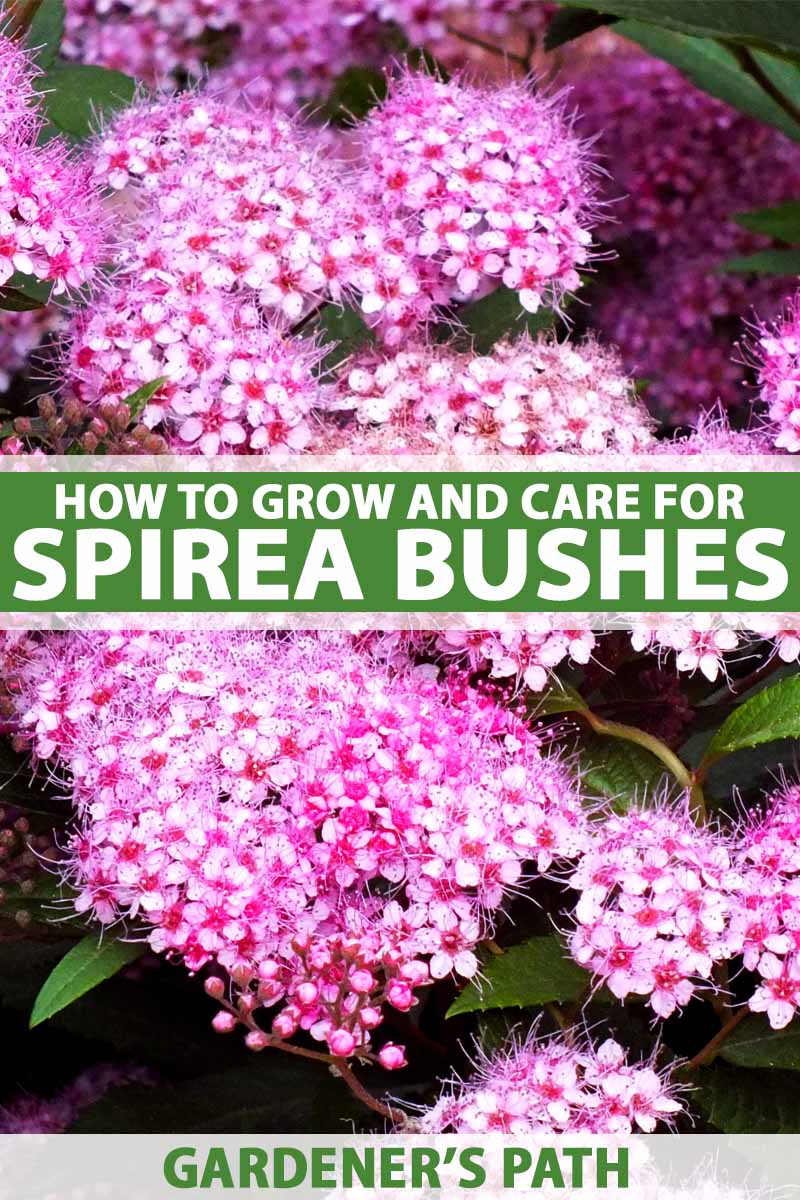
- Spirea bush in the fall. This image shows a spirea bush in the fall. The leaves of the bush have turned a bright red color, which contrasts beautifully with the blue sky. The spirea bush is a beautiful sight to behold in the fall, and it can add a touch of color to any landscape.
- Spirea bush as a hedge. This image shows a spirea bush that has been used as a hedge. The bush is trimmed into a neat row, and it provides a sense of privacy and security. The spirea bush is a versatile plant, and it can be used in a variety of ways, including as a hedge.

- Spirea bush as a specimen plant. This image shows a spirea bush that has been planted as a specimen plant. The bush is located in a sunny spot, and it is surrounded by a bed of flowers. The spirea bush is a beautiful plant, and it can add a touch of elegance to any landscape.
- Spirea bush as a border plant. This image shows a spirea bush that has been planted as a border plant. The bush is located along a walkway, and it helps to define the space. The spirea bush is a low-maintenance plant, and it is perfect for use as a border plant.
- Spirea bush as a groundcover plant. This image shows a spirea bush that has been planted as a groundcover plant. The bush is located under a tree, and it helps to suppress weeds. The spirea bush is a hardy plant, and it can tolerate shade.

- Spirea bush as a pollinator plant. This image shows a spirea bush that is attracting pollinators. The flowers of the spirea bush are a source of nectar for bees, butterflies, and other insects. The spirea bush is a beneficial plant to have in the garden, as it helps to pollinate other plants.

- Spirea bush as a deer-resistant plant. This image shows a spirea bush that is growing in an area where deer are present. The spirea bush is a deer-resistant plant, and it is not likely to be eaten by deer. This makes the spirea bush a good choice for gardens where deer are a problem.


Post a Comment for "How To Grow A Spirea Bush That Will Bloom For"